How Combining Natural Therapies and Precision Medicine Creates a Better Path to Healing
1. What Does ‘Bricolage’ Mean in Cancer Care?
The word ‘bricolage’ comes from a French term that means constructing or creating something valuable using whatever diverse materials are available at hand. In everyday life, a handyman practices bricolage when fixing a complex problem with a well-curated toolbox. In modern cancer medicine, bricolage means looking at every safe, evidence-based tool available—whether it comes from a advanced genetic research laboratory or an ancient traditional remedy—and combining them into a unified care plan.
For many years, medicine operated in silos. On one side was conventional oncology, focusing intensely on destroying cancer cells using chemotherapy, radiation, and surgery. On the other side was complementary and alternative medicine (CAM), focusing on nourishing the body, easing symptoms, and improving overall wellbeing. Bricolage brings these two sides together. It is not about replacing standard cancer treatments, but rather about surrounding those treatments with smart, supportive natural therapies that help them work better while protecting the patient’s body.
2. Understanding the Two Pillars: Precision Medicine and Natural Therapies
To understand how these two worlds work together, it helps to look at what each pillar brings to the table:
Pillar 1: Precision Cancer Treatment
Precision oncology is often called ‘personalized medicine.’ In the past, two people with lung cancer might have received the exact same chemotherapy regimen. Today, doctors can test a tumor’s DNA to discover its specific genetic mutations. With this information, precision medicine uses targeted drugs designed to lock onto those exact mutated proteins and shut down tumor growth, leaving healthy cells largely untouched.
Pillar 2: Complementary and Alternative Medicine (CAM)
CAM encompasses a wide range of natural techniques, including clinical nutrition, botanical (herbal) medicine, acupuncture, lifestyle adjustments, and stress management. Rather than attacking the tumor directly with high-dose chemicals, CAM focuses on the ‘soil’ in which the cancer grows—improving gut health, lowering chronic inflammation, strengthening the immune system, and keeping the body strong enough to handle medical treatments.
3. How Nature and Science Work Together in the Body
When precision drugs and natural therapies are chosen wisely, they do not interfere with each other—they cooperate. Here are three key ways this synergy takes place in the human body:
- Tuning the Microenvironment: Cancer cells do not live in isolation; they create a surrounding environment (called the tumor microenvironment) rich in inflammation and blood supply that helps them hide from the immune system. Natural compounds—such as curcumin from turmeric or green tea extract (EGCG)—help calm down localized inflammation, making it harder for cancer cells to thrive and easier for targeted drugs to reach them.
- Supporting the Immune System and Gut Health: Modern immunotherapy relies on the body’s immune system to attack cancer. Emerging research shows that the health of our gut bacteria (the microbiome) plays a massive role in how well immunotherapy works. By using specialized probiotics, fiber-rich diets, and medicinal mushrooms like Reishi or Turkey Tail, integrative care supports healthy gut microbes and strengthens immune cells.
- Preventing Treatment Resistance: One of the biggest challenges in precision oncology is that cancer cells can mutate over time and become resistant to targeted drugs. Natural therapies often affect multiple biochemical pathways at once, helping block the side routes cancer cells use to survive.
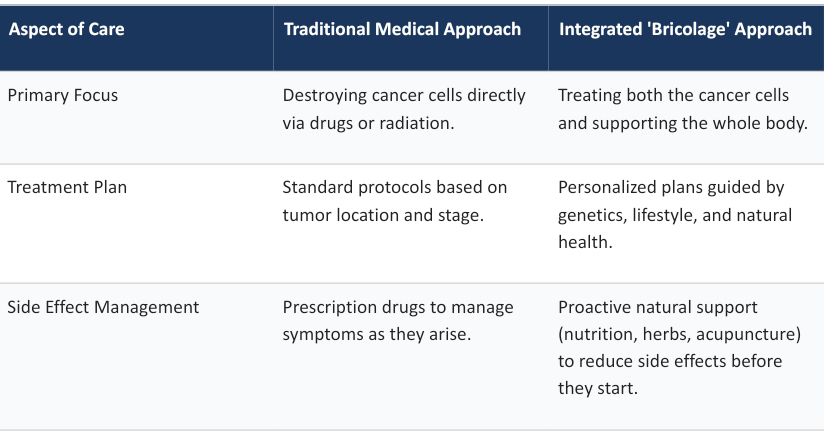
Summary Comparison: Conventional vs. Integrated Care
4. Safety First: Why Guidance Matters
While combining natural remedies with high-tech treatments offers incredible promise, it must be done with extreme care. ‘Natural’ does not automatically mean ‘harmless.’ Some herbal supplements can alter how the liver processes chemotherapy drugs, making the medicine either less effective or dangerously toxic.
For example, high doses of certain antioxidant vitamins might protect cancer cells from radiation therapy, while St. John’s Wort can cause the body to flush out precision targeted therapies too quickly. This is why integrative oncology requires trained experts. As a Naturopathic Doctor specializing in integrative oncology, my role is to review every supplement, dietary change, and lifestyle practice to ensure it is completely safe to use alongside standard oncology treatments.
5. Real-World Benefits for Patients
When patients receive integrated care that thoughtfully blends CAM and precision oncology, they often experience meaningful improvements in their day-to-day lives:
Better Tolerance of Treatment: Patients report less severe fatigue, nausea, nerve pain (neuropathy), and digestive issues, allowing them to complete their full recommended drug doses without interruptions.
- Higher Quality of Life: Addressing sleep, stress, and nutrition helps patients maintain their physical strength, emotional balance, and energy levels throughout their medical journey.
- Empowerment in the Healing Process: Cancer treatments can often make people feel helpless. Incorporating personalized nutrition, mindfulness, and daily routines gives patients an active, positive role in their own recovery.
6. Conclusion: The Future of Integrative Cancer Care
The fight against cancer is moving away from rigid, one-size-fits-all protocols. The future of oncology belongs to comprehensive, personalized care that respects both cutting-edge biotechnology and the innate wisdom of human biology.
By practicing a thoughtful ‘bricolage’—weaving together precision medicine, natural therapies, and patient-centered lifestyle support—we can build cancer treatments that are not only more targeted and effective, but also kinder to the human body and spirit.


Leave a Reply