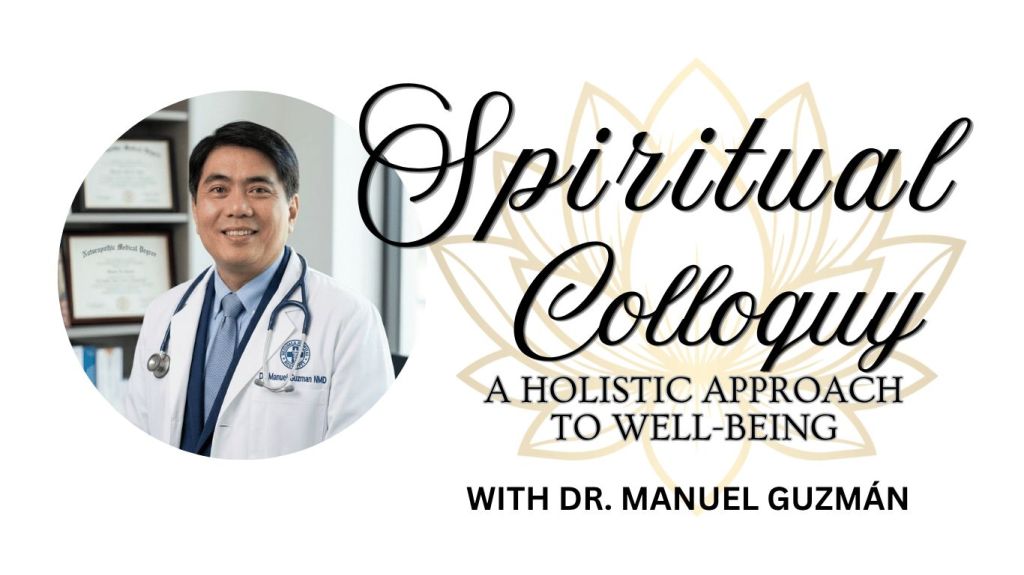
In the fast-paced, high-stress landscape of contemporary Philippine society, health is too often defined merely as the absence of overt disease. We routinely check our blood pressure, monitor our fasting blood sugar, and take prescribed medications to suppress acute symptoms, yet millions of Filipinos continue to struggle with chronic fatigue, low-grade inflammation, anxiety, and a pervasive sense of disharmony. True health, however, is not a collection of isolated laboratory values. It is a dynamic, living state of total well-being that encompasses the mind, the body, and the spirit.
Long before the arrival of modern western medicine, our ancestors across the Philippine archipelago understood health as a deeply interconnected ecosystem. Early indigenous healers—our babaylan and albularyo—never viewed a physical ailment as an isolated mechanical failure of organs. Instead, they recognized it as a disruption in the delicate balance between the individual, their family, their natural environment, and the spiritual realm. When someone fell ill, the community looked not just at the body, but at the person’s life, relationships, and spiritual alignment.
Today, as we navigate the complex chronic disease crises of the twenty-first century—from hypertension and metabolic syndrome to cancer and widespread professional burnout—we must return to this foundational truth. By combining the rigorous diagnostic tools of modern functional medicine and evidence-based science with the timeless wisdom of holistic care, we can chart a sustainable, deeply compassionate path toward authentic healing tailored specifically to the Filipino experience.
Nourishing the Physical Vessel
The physical body is the tangible foundation of our earthly existence. In the context of modern Philippine life, our physical vessel is currently facing unprecedented challenges due to shifting dietary patterns, urban environmental stressors, and increasingly sedentary routines.
The modern urban Filipino diet has shifted heavily toward ultra-processed foods, refined carbohydrates, low-quality seed oils, and high-sodium meals. This shift has fueled an epidemic of non-communicable metabolic diseases across our islands. However, healing the physical body does not require us to abandon our rich culinary heritage. Rather, it calls for a thoughtful return to nutrient-dense, whole-food Filipino cooking.
Traditional Filipino ingredients are, in fact, abundant in potent bioactive compounds. Consider malunggay (Moringa oleifera), an extraordinary nutritional power pack filled with essential amino acids, bioavailable iron, and antioxidant polyphenols. Ampalaya (bitter melon) contains active compounds like charantin and polypeptide-p that naturally enhance insulin sensitivity and assist in blood sugar regulation. Luyang dilaw (turmeric) and native garlic provide powerful systemic anti-inflammatory and cardiovascular benefits that modern pharmacology actively seeks to replicate.
Simple, intentional swaps in our daily meals can yield dramatic physical transformations. Replacing refined white rice with nutrient-dense alternatives like unpolished red or black rice, adlai, or fiber-dense root crops like kamote stabilizes blood glucose levels and reduces systemic inflammation. Incorporating cold-pressed virgin coconut oil—rich in medium-chain triglycerides—alongside fresh, locally caught wild fish provides essential fatty acids necessary for cellular membrane integrity, hormone synthesis, and brain health.
Beyond nutrition, physical vitality requires regular, intentional movement. In Philippine cities characterized by dense traffic and long sitting hours, physical stagnation is a silent contributor to lymphatic congestion, poor circulation, and metabolic dysfunction. Engaging in daily movement, whether through cardiovascular exercise, strength training, or traditional movement arts, stimulates the lymphatic system and optimizes mitochondrial function. Combined with circadian-aligned sleep—resting early and rising with daylight—we allow the physical body to execute its crucial nightly repair and cellular maintenance.
Cultivating Mental and Emotional Balance
While the body provides our physical structure, the mind acts as the master control system of physiological health. The human nervous system does not distinguish between an immediate physical threat and chronic psychological distress; both trigger the exact same physiological stress response, flooding our circulation with cortisol and adrenaline.
Modern science, through the discipline of psychoneuroimmunology, confirms what holistic traditions have always taught: our thought patterns directly alter our physical biology. Sustained mental anxiety and emotional suppression weaken immune cell activity, impair gut function, and promote pro-inflammatory cytokine activity throughout the body. In short, how we think and feel directly influences how our cells function.
In Philippine society, our cherished cultural values of pakikisama (harmony with others) and utang na loob (reciprocal gratitude) foster deep social cohesion, but they can sometimes lead to emotional suppression or prolonged relational stress when healthy boundaries are absent. Unexpressed emotional burdens frequently manifest physically as somatic complaints—gastrointestinal distress, tension headaches, elevated blood pressure, and chronic fatigue.
To achieve mental equilibrium amid the noise and pressure of modern life, we must practice active nervous system regulation. Simple, deliberate deep-breathing techniques directly stimulate the vagus nerve, signaling to our autonomic nervous system to shift from a sympathetic ‘fight-or-flight’ state into a parasympathetic ‘rest-and-digest’ state. Cultivating daily quiet reflection creates space between an external stressor and our internal reaction, reducing autonomic overload and allowing cognitive restructuring to reframe negative self-talk into emotional resilience.
Anchoring in Purpose and Connection
While physical nutrition supports our cells and mental balance stabilizes our nervous system, spiritual well-being provides the underlying core of vital life force. In holistic healthcare, spirituality is not confined strictly to formal religious observance; it encompasses our sense of purpose, our connection to the broader universe, and our integration within a loving, supportive community.
Filipino spiritual identity is rich, resilient, and deeply relational. At its heart lies the concept of kalooban, our true inner self—the seat of authentic virtue, compassion, and moral clarity. A healthy kalooban leads to genuine peace of heart, whereas unhealed internal conflicts undermine our physical vital strength.
Equally central is our understanding of kapwa and pakikipagkapwa-tao. In Filipino psychology, kapwa is not merely ‘the neighbor’ or ‘the other.’ It is the profound recognition of a shared inner self. When we care for others and honor our relationships, we naturally nourish our own spirit. Loneliness and social isolation are toxic to human physiology, whereas pakikipagkapwa serves as a powerful natural medicine.
This spiritual connection extends into bayanihan, the collective spirit of working together for the common good without expectation of reward. True spiritual health manifests when an individual actively participates in uplifting their broader community.
A robust spiritual foundation confers measurable physiological resilience. Studies in psycho-oncology and integrative medicine consistently show that individuals with a strong spiritual anchor demonstrate enhanced coping mechanisms, improved quality of life, and better immune function during serious illness. Daily expressions of gratitude, intentional prayer, forgiveness, and spending quiet time in nature—whether walking along our coastal shores or tending a garden—ground the human energy system and restore balance from within.
Reclaiming Whole-Person Health for the Filipino Nation
The future of healthcare in the Philippines lies not in choosing between modern medical science and ancient holistic wisdom, but in unifying them. Modern diagnostic technologies, targeted pharmacology, and advanced medical interventions are invaluable tools, especially in acute and complex conditions. However, when these tools are combined with holistic principles that honor the mind, body, and spirit, true whole-person transformation occurs.
As individuals, families, and healthcare practitioners, our goal must extend beyond managing disease symptoms. We must cultivate an ecosystem that supports clean nutrition, emotional maturity, environmental stewardship, and deep spiritual connection.
When we honor our body with clean nourishment and vitality, quiet our mind with presence and wisdom, and anchor our spirit in love, faith, and kapwa, we align ourselves with the fundamental laws of nature. In this harmony, authentic healing naturally unfolds—restoring vitality to our lives, our families, and our nation.
When we honor our body with clean nourishment and vitality, quiet our mind with presence and wisdom, and anchor our spirit in love, faith, and kapwa, we align ourselves with the fundamental laws of nature. In this harmony, authentic healing naturally unfolds—restoring vitality to our lives, our families, and our nation.
Dr. Manny guzman


Leave a Reply